
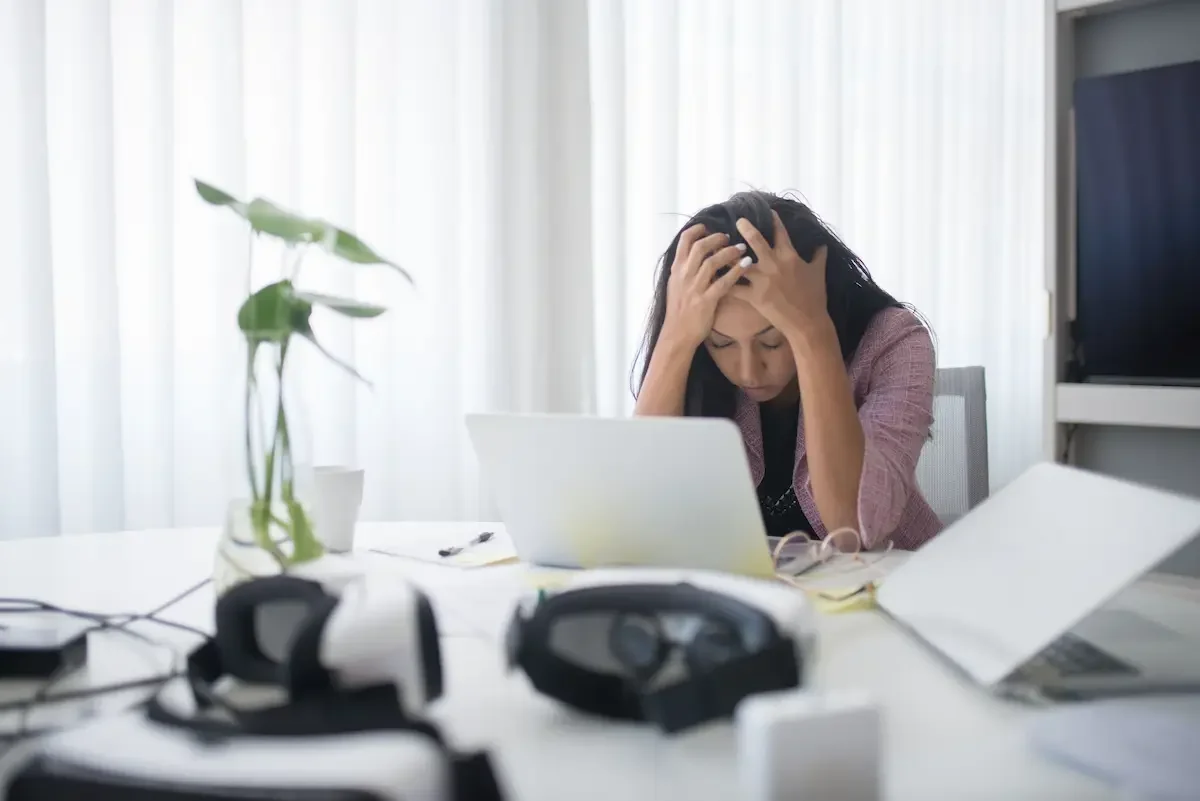
Have you ever caught yourself thinking, "I shouldn't feel this exhausted." Nothing catastrophic has happened. You're getting through your days, showing up for work, caring for the people you love, and checking things off your to-do list.
Yet lately, you don't quite feel like yourself. You have less patience than you used to. Small problems feel bigger than they once did. You find yourself withdrawing, feeling emotionally numb, or wondering why you don't enjoy things the way you used to.
Many women assume this means they're doing something wrong. More often, it's a sign that their emotional reserves have been depleted.
Emotional Exhaustion Is Different Than Physical Fatigue
A good night's sleep can help physical tiredness. Emotional exhaustion is different. It develops gradually after your mind has spent months—or sometimes years—in a constant state of adapting, anticipating, decision-making, and responding to the needs of everyday life.
Instead of feeling refreshed after a quiet weekend, you may still feel emotionally drained. Instead of bouncing back after a stressful day, you notice your patience wearing thinner than it once did. That's because emotional exhaustion isn't simply about being busy. It's about your nervous system having fewer opportunities to recover.
Why Everything Suddenly Feels Harder
One of the effects of chronic stress is that it changes how efficiently the brain manages attention, emotions, and decision-making. Neuroscientist Dr. Bruce McEwen's research demonstrated that prolonged stress can affect the brain's ability to regulate emotions and adapt to ongoing demands. When stress continues without enough time for restoration, even ordinary responsibilities can begin to feel overwhelming (McEwen, 2007).
This is often why women tell me: "I don't know what's wrong with me. Things that never used to bother me suddenly feel like too much."
It's not a lack of resilience. It's often a sign that your emotional resources have been stretched for too long.
Is It Anxiety, Depression, or Emotional Exhaustion?
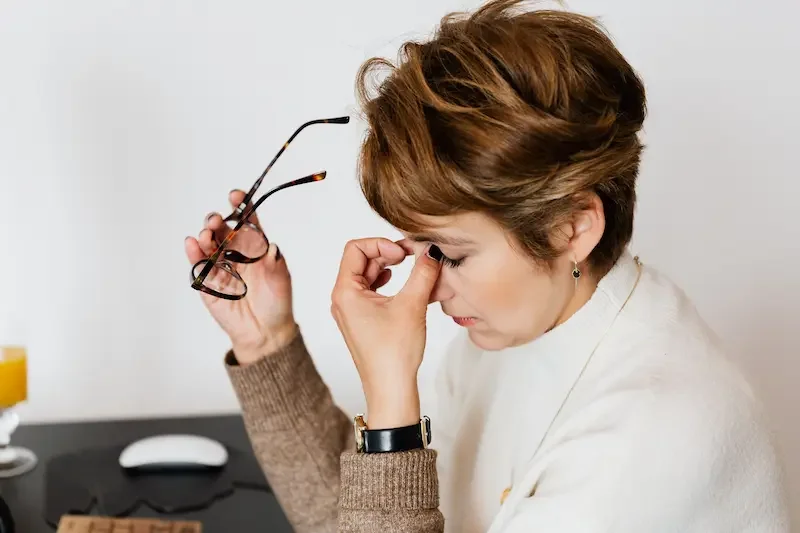
One of the reasons emotional exhastion can be so confusing is that it often looks similar to anxiety or depression. You may notice increased worry, difficulty concentrating, irritability, low motivation, or feeling emotionally disconnected.
While these experiences can overlap, emotional exhaustion is often rooted in prolonged stress and a lack of emotional recovery rather than a mental health diagnosis alone. That’s why understanding the why behind what you’re feeling matters. Therapy can help sort through what’s contributing to your symptoms so you can receive the support that best fits your unique experience.
Emotional Exhaustion Can Quietly Change How You Experience Life
When you're emotionally depleted, the changes are often subtle at first. You may notice you're less present during conversations. You stop looking forward to things you once enjoyed.
Making simple decisions feels surprisingly difficult. You become more self-critical or find yourself wondering why everyone else seems to manage life more easily.
Many women begin blaming themselves, when in reality, their mind and body are asking for something they haven't had enough of: time to recover, reflect, and reconnect with themselves.
Understanding Yourself With More Compassion
One of the most powerful shifts that happens in womens therapy is moving away from asking, "What's wrong with me?" and beginning to ask, "What has my mind and body been carrying?" This small change in perspective often replaces self-criticism with self-understanding.
Emotional exhaustion isn't a personality flaw or a sign that you're weak. It's often the natural response to living in a prolonged state of emotional demand without enough opportunities to recharge. When you understand what's happening, you can begin making choices that support your well-being instead of simply pushing yourself harder.
If you've been feeling emotionally exhausted, know that you're not alone. You don't have to wait until you're completely burned out before asking for support. Therapy can provide a space to better understand what's contributing to your exhaustion, reconnect with yourself, and begin moving forward with greater clarity and self-compassion.
To get started tap the contact me button and complete a short contact form or you can call me directly at (631) 406-3139.
Reference
McEwen, B. S. (2007). Physiology and neurobiology of stress and adaptation: Central role of the brain. Physiological Reviews, 87(3), 873–904.
