
“When Grief Changes Everything: Understanding the Shifts in Your Relationships”

Losing someone you love changes the way you see the world—and just as importantly, it changes the way you relate to the people in it. It’s a wave of grief that sneaks up on you: suddenly, the people you counted on feel distant, the ones you didn’t expect to b there are more supportive, and your relationships just… shift.
If you're feeling confused, you're not alone. The grieving process isn't just about saying goodbye to the person who passed—it's about everything changing, including how you connect with the people still here.
Here are some very real, very human ways grief might reshape your relationships—and why that’s not necessarily a bad thing.
1. Your Circle May Reorder Itself
Grief has a strange way of revealing things. Sometimes the people you thought would be front and center—your ride-or-die friends, the ones who knew every detail of your life—just aren’t there the way you thought they would. And someone you hadn’t really connected with in awhile, quietly reaches out, say the right thing, or just allows you to talk about your pain.
It’s okay to be surprised. This doesn’t mean the people who step back don’t care—it can mean several things such as they may not feel comfortable talking about loss, they can be fearful of saying the wrong thing, or lack the emotional tools to show up in the way you need right now. Let the unexpected support in. It can be healing in ways you didn’t even know you needed.
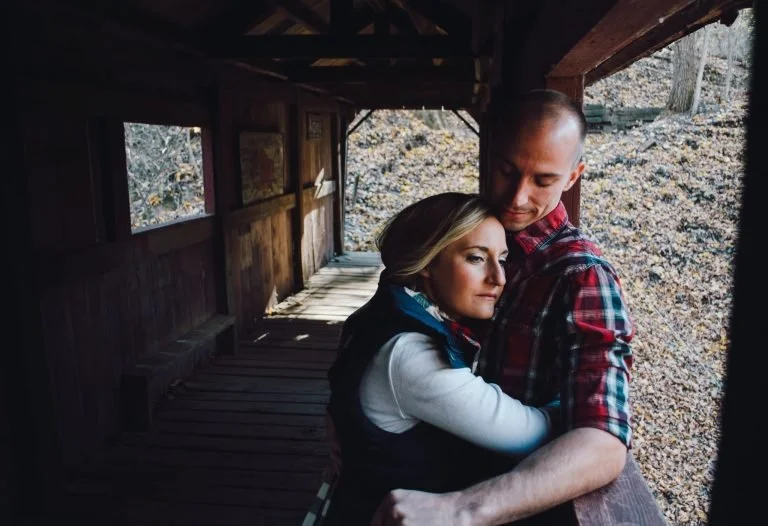
2. You Might Feel Hurt—and That’s a Valid Feeling
When you're in the depths of grief, it is very upsetting to realize someone close to you has gone silent. You may find yourself thinking, “How could they disappear when I needed them most?” That pain is real, and it’s valid.
But try not to take your focus off of your grief by focusing on other’s lack of support. Not everyone knows how to hold space for grief—and not everyone has the emotional ability to sit with you when your upset. That doesn’t excuse the behavior, but it may help you protect your heart by understanding that their distance is more of a them issue, than about you.
3. Some People Will Avoid You—Because They’re Avoiding Their Own Pain
Let’s be honest: grief makes people uncomfortable. When you lose someone, you become a mirror for others—reflecting back the fragile truth that we’re all vulnerable to loss. Some people just can’t face that, so they pull away.
If someone’s absence feels confusing or even hurtful, remind yourself it’s not your job to make them feel better about your pain. Your grief deserves space. You don’t have to shrink it for someone else's comfort.
4. You May Start Finding Connection in Unexpected Places
After a major loss, you join an unofficial “club” that no one wants to be part of—but once you’re in it, you’ll start to hear others being able to relate to your loss through their own losses. You might feel a stronger bond with those who’ve experienced deep grief themselves, even if they weren’t close to you before.
This doesn’t mean you have to let go of your pre-loss relationships—but your support system will change. You start having conversations that feel more real, more present. You learn to cherish people who truly get it, and those connections can feel like lifelines.
Final Thoughts
Grief changes you—and because of that, it changes your relationships. That doesn’t mean you’re broken, or that your old friendships are gone forever. It just means that life changes with us. And while that can feel scary, it can also lead to deeper, more meaningful connections over time.
Give yourself permission to grieve not just the person you lost, but the version of your relationships that existed before your loss. Be gentle with your expectations, and try not to judge yourself—or others—too harshly. Counseling After Loss can help you and get the support you need during this difficult time of loss.
If you’re looking for a place to process life since your loss, I am here. You don’t have to carry the weight of grief alone. Grief is meant to be witnessed, looked at and understood. Contact me and let’s begin by talking.